Access to Justice. Community Healing. Real Accountability.
Friends in Toronto Community Services (FITCS) advances access to justice by confronting systemic racism and transforming how harm is addressed. Through culturally grounded restorative justice, healing circles, and youth leadership, we support individuals, families, and communities navigating conflict, discrimination, and justice system involvement.
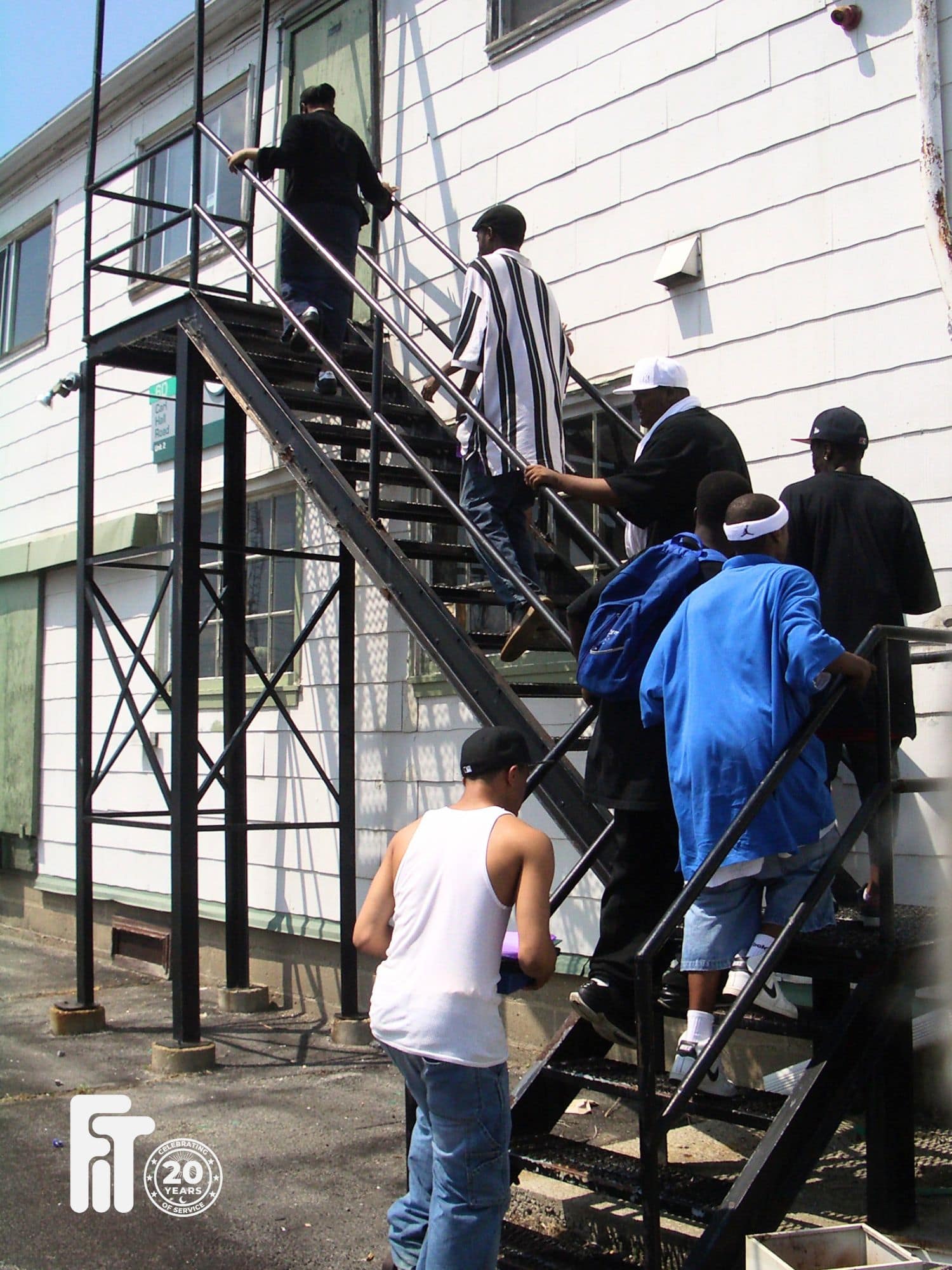
FITCS Summer Camp, 2006 · 60 Carl Hall Road
“Before the programs had names and the outcomes had measures, we were climbing these steps — imagining more for ourselves and for each other.”
Justice Must Be Accessible, Accountable, and Human
FITCS works to expand access to justice for communities disproportionately impacted by racism, exclusion, and systemic harm. We believe justice must repair harm, uphold dignity, and strengthen community—not deepen trauma or inequality.
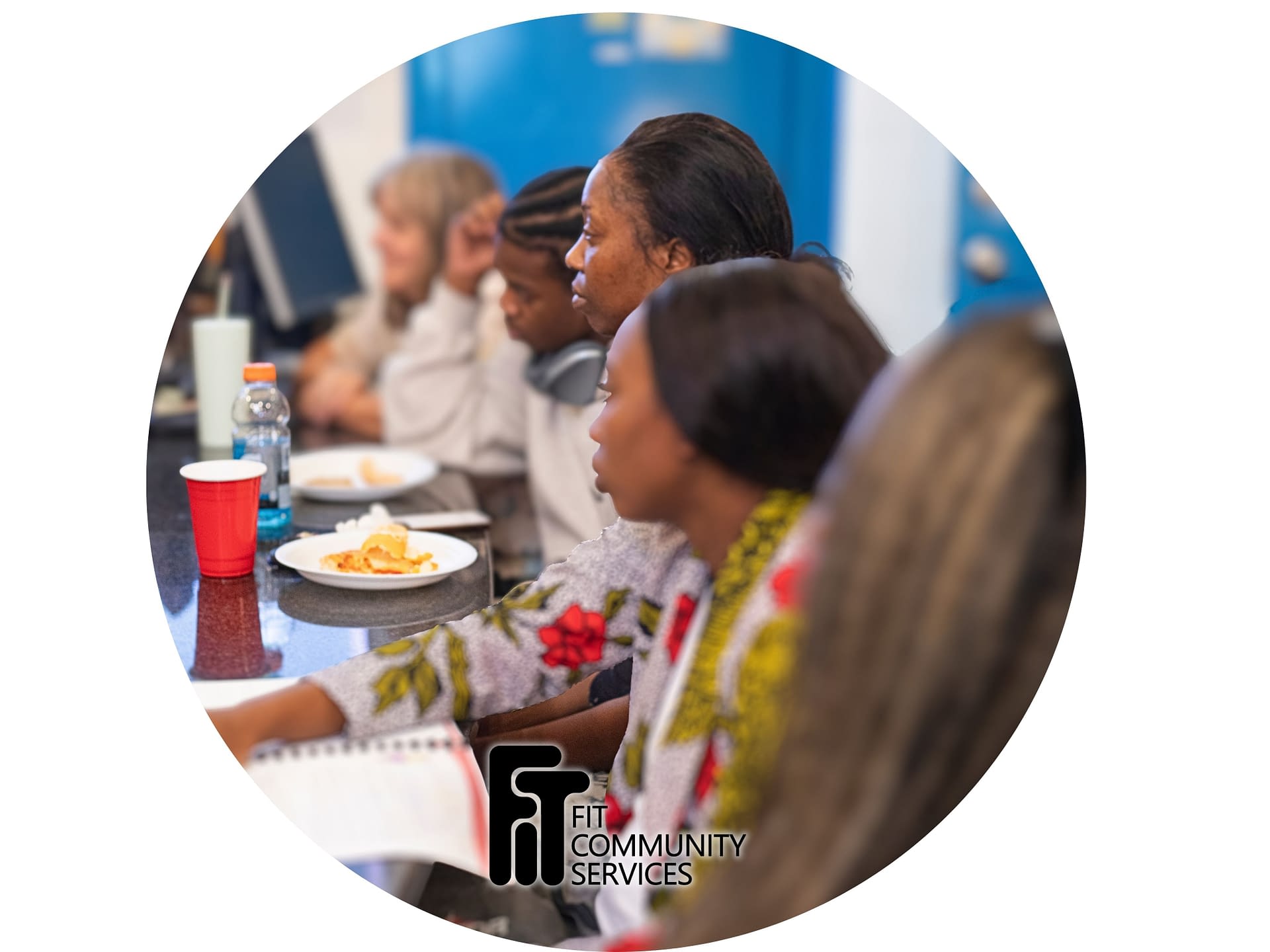
Restorative Justice & Healing Circles
Community-led, trauma-informed dialogue rooted in Indigenous and African restorative traditions that centre dignity, accountability, and repair.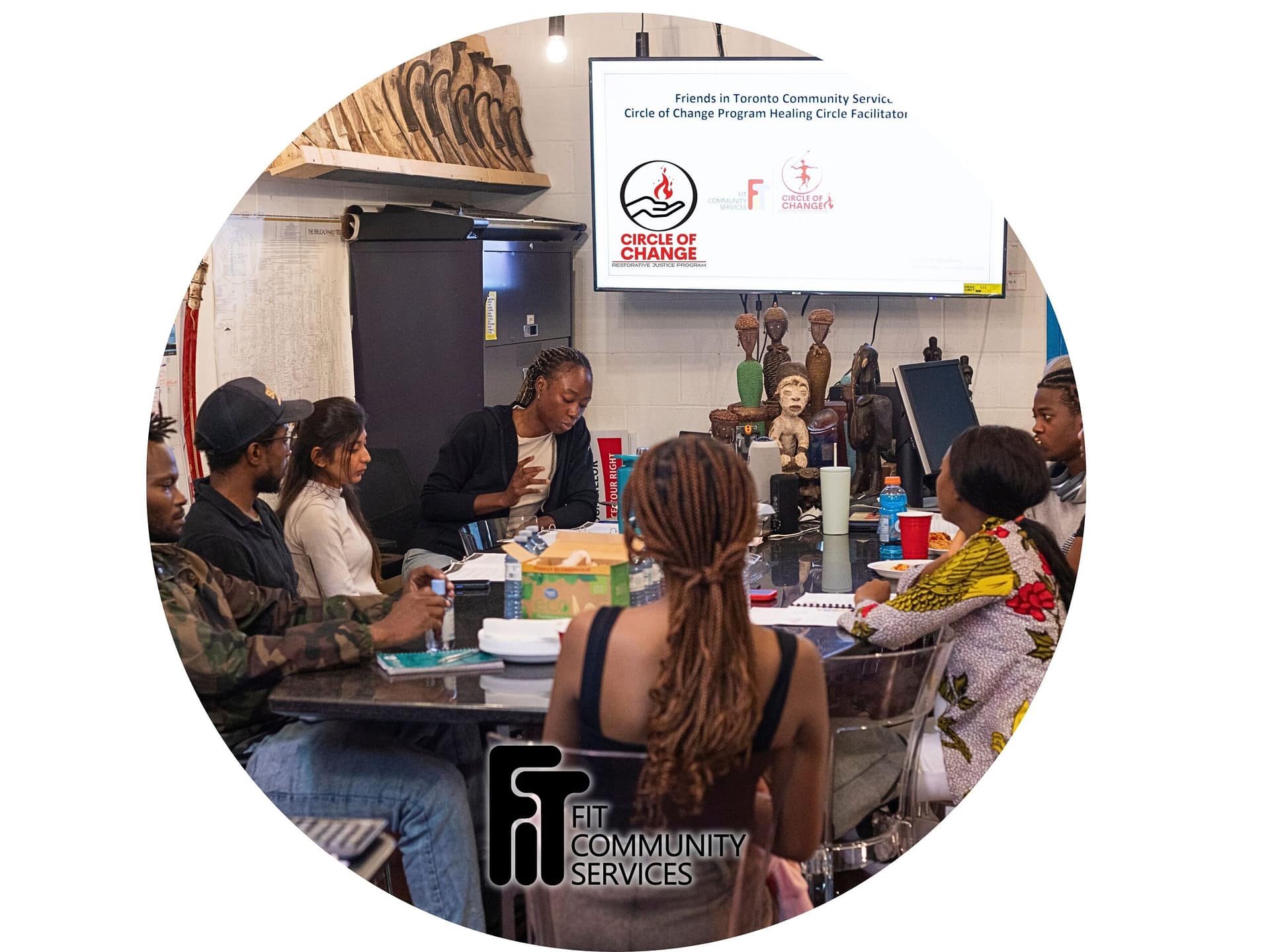
Anti-Racism & Access to Justice
Challenging systemic racism by supporting individuals and families facing discrimination, over-policing, and barriers within legal and institutional systems.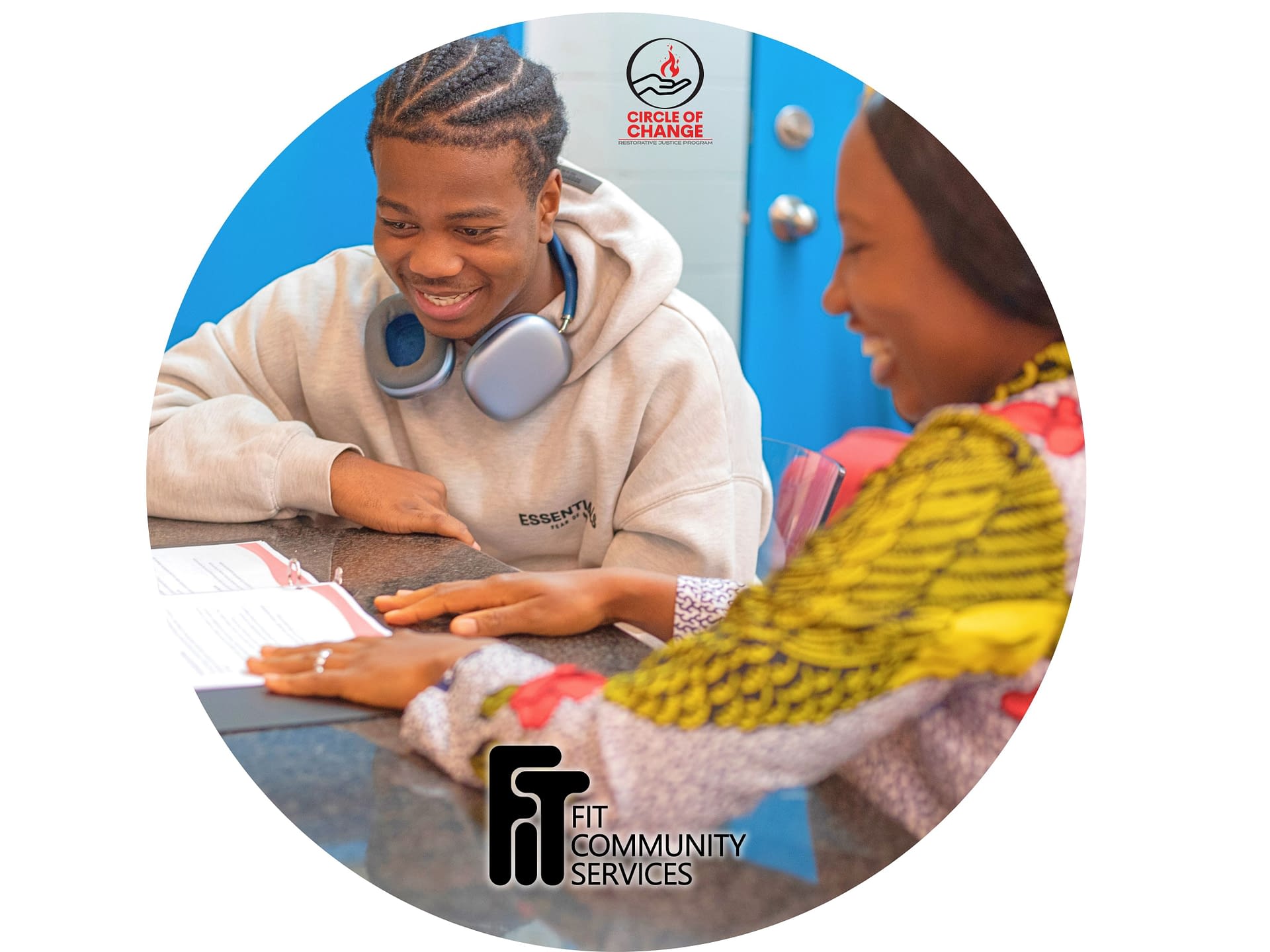
Community & Systems Change
Working with schools, justice partners, and community organizations to shift harmful practices and build fair, restorative, and accountable responses to conflict.Who We Are
Our Mission, Vision, and Values
FITCS is guided by a clear mission, a shared vision for community well-being, and values that shape how we serve, lead, and respond to harm across generations.
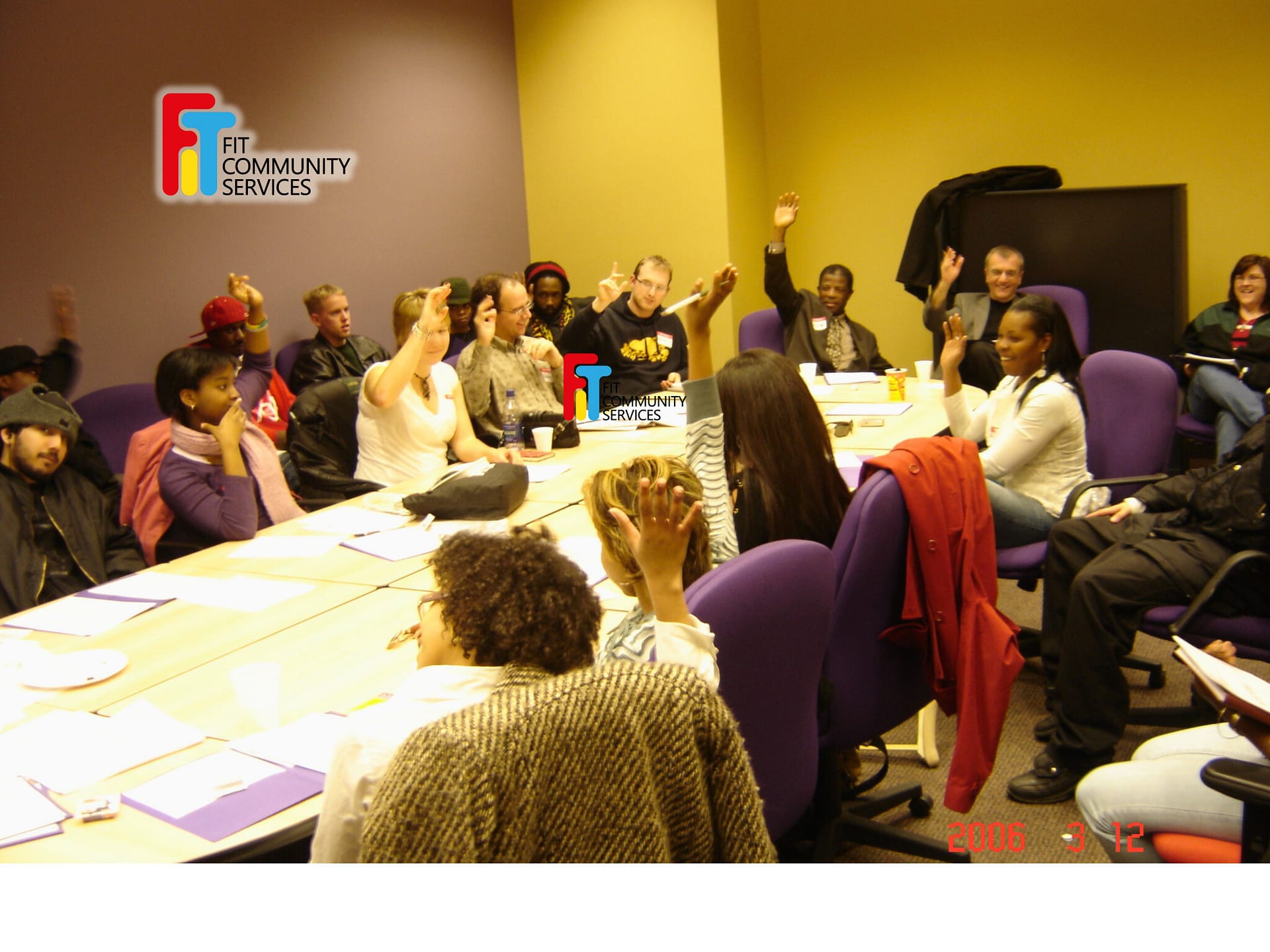
Our Mission
“To inspire and empower people to break the cycle of poverty,” through culturally responsive programs and services that engage, educate, empower, and equip individuals with the skills, resources, and opportunities needed to overcome systemic barriers and achieve healthier, more stable lives.
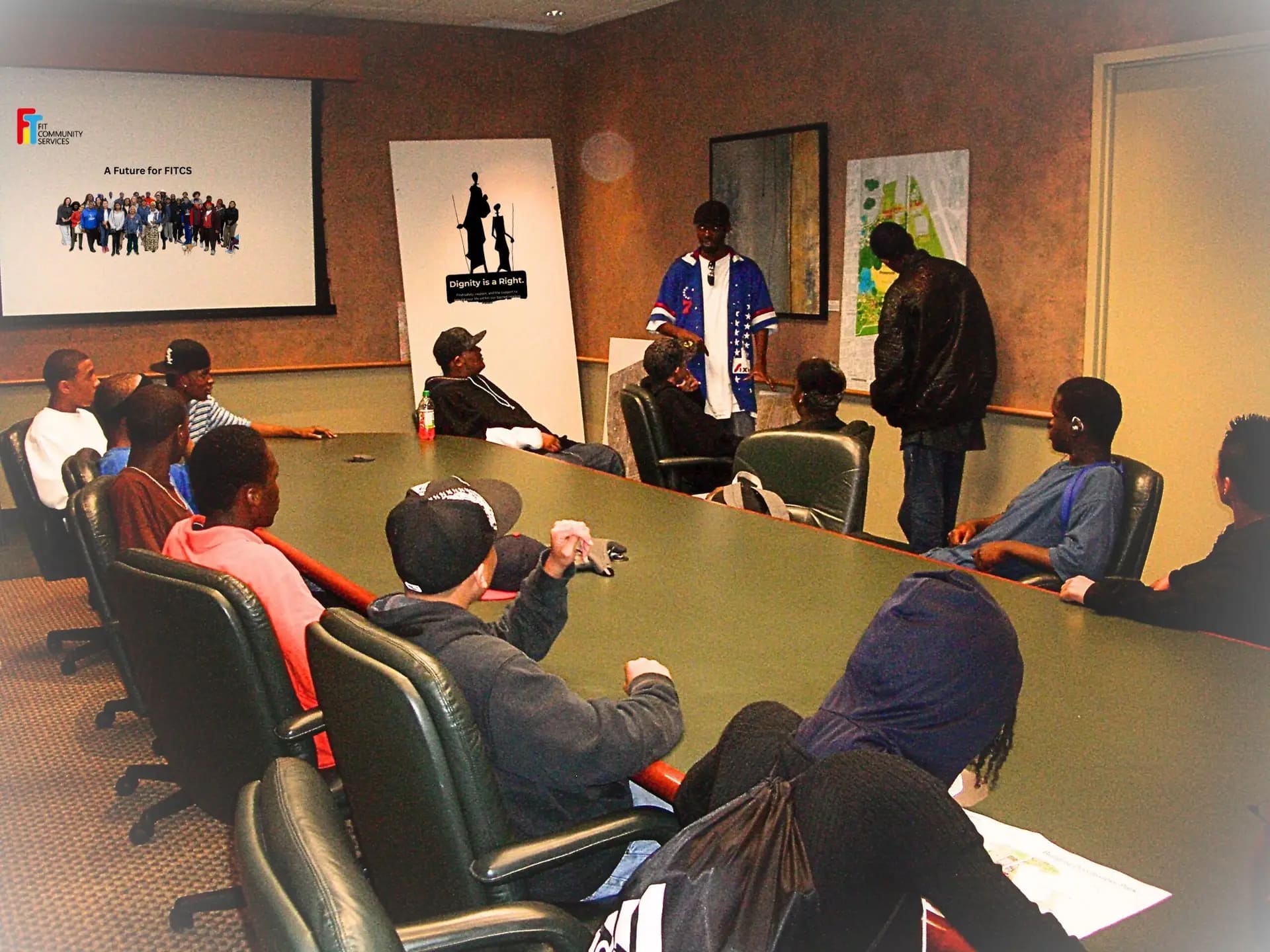
Our Vision
Creating communities where individuals are empowered as leaders, breaking the cycle of poverty through education, empowerment, and community engagement.
Our Values
Briefly and concisely explain what you do for your audience.
Possibility
We believe in the capacity of people to overcome life’s challenges and realize their potential.
Diversity
We respect and respond to the diversity of our communities, honouring identities, cultures, and lived experiences.
Accountability
We uphold the public’s trust through responsible stewardship, transparency, and a commitment to social justice.
Quality
We are committed to excellence and continuous improvement across all programs and services.
Respect
We engage with all individuals in a fair, honest, and respectful manner, centring dignity and humanity in all our work.
Working with schools, justice partners, and community organizations to shift harmful practices and build fair, restorative, and accountable responses to conflict.
Access to Justice
Reducing barriers to justice by supporting individuals and families navigating legal systems shaped by inequality, discrimination, and exclusion.
Anti-Racism in Practice
Actively confronting systemic racism by challenging policies, practices, and responses that disproportionately harm Black, Indigenous, and racialized communities.
Restorative Accountability
Advancing responses to harm that centre responsibility, repair, and healing—rather than punishment, isolation, or further trauma.

Circle of Change Restorative Justice (COCRJ)
Through healing circles, decision-making training, and reintegration support, COCRJ addresses root causes of conflict while promoting accountability, dignity, safety, and long-term community well-being.
Across Canada, communities are responding to well-documented inequities in the justice system—particularly for newcomers, Indigenous, and racialized youth. The data below reflects the broader context our work responds to, based on publicly available research and reporting.
Sources: Statistics Canada · Department of Justice Canada · Ontario Human Rights Commission · CAMH