
Community-Led Justice. Healing. Accountability.
Friends in Toronto Community Services (FITCS) works with youth, families, schools, and justice partners to address harm, challenge systemic racism, and build restorative, accountable responses to conflict.
How We Support Youth & Families Across the Justice Continuum
FITCS supports youth and families at multiple stages of justice system involvement — from early intervention and diversion to extra-judicial measures and reintegration. Our work expands access to restorative justice, legal navigation, healing supports, and community-based alternatives that promote accountability, dignity, and long-term well-being.
How We Support Youth & Families Across the Justice Continuum
Who Our Work Is For
FITCS works alongside individuals and institutions navigating harm, conflict, and systemic barriers. Our approach centres dignity, accountability, and culturally responsive care.
Justice involvement is not a single moment — it is a continuum that requires coordinated, community-based responses.
Pre-Charge & Early Intervention
Supporting youth and families before formal charges are laid by addressing conflict, harm, and underlying needs through restorative dialogue, school and community referrals, and trauma-informed support.
Diversion & Extra-Judicial Measures
Facilitating restorative justice pathways that support diversion and extra-judicial requirements under the YCJA, while centring accountability, repair, and community safety.
Legal Navigation & Advocacy Support
Helping youth and families understand their rights, access legal information, and connect with legal aid, community lawyers, and culturally responsive advocacy supports.
Healing, Reintegration & Community Support
Providing referrals and ongoing support for therapy, mental health services, cultural healing, and reintegration planning with families, schools, and community partners.
Who Our Programs Are For & How to Get Involved
FITCS works with youth, families, and community and justice partners at different stages of justice involvement. Each group engages with our programs in distinct ways, with shared goals of accountability, healing, and community safety.
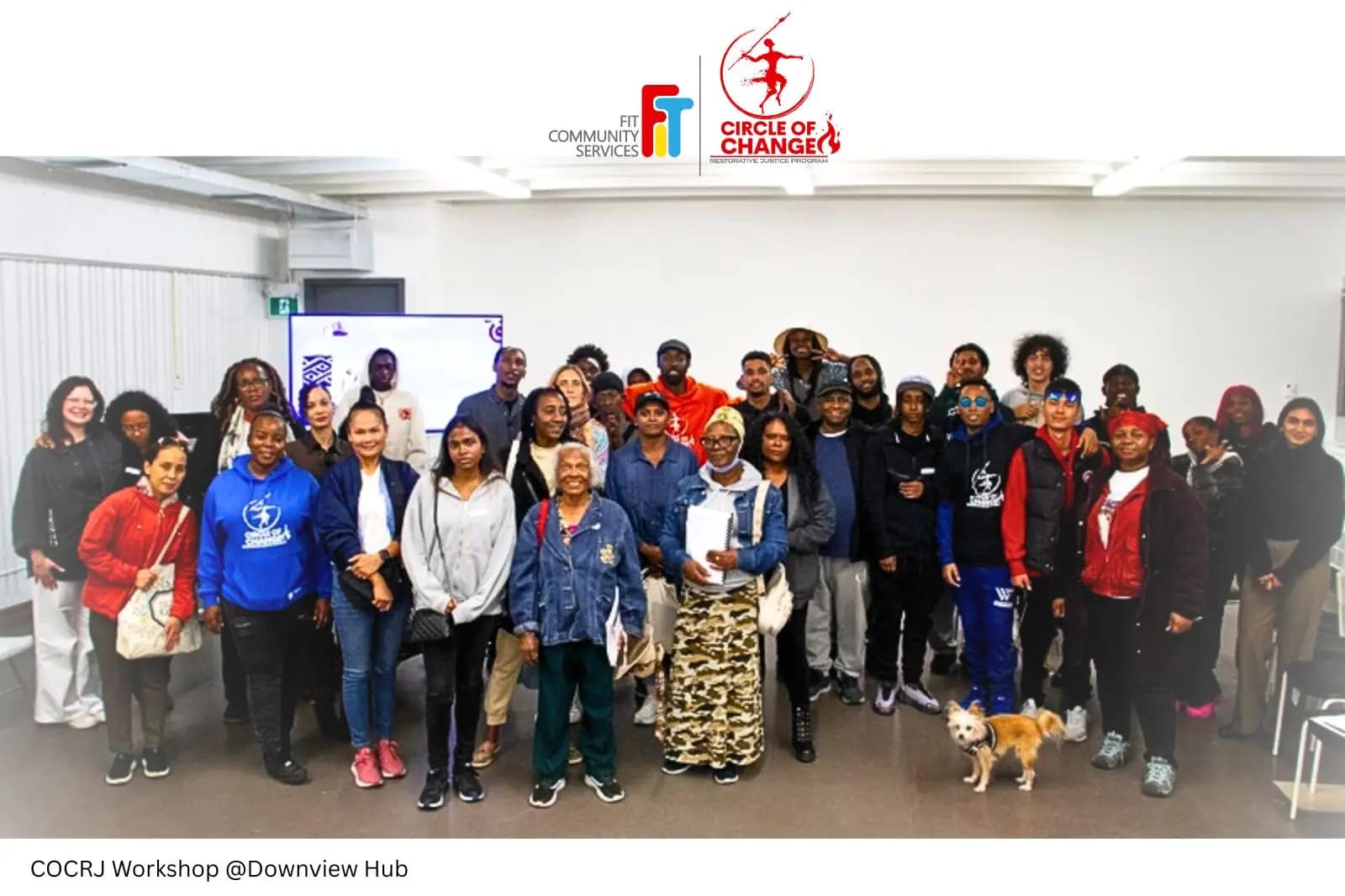
Youth & Families
Youth and families can access restorative justice, healing circles, decision-making support, and referrals to therapy and community services — whether facing conflict, harm, or justice system involvement.
Schools & Community Organizations
Schools and community partners refer youth experiencing conflict, harm, or early justice involvement for restorative support, diversion pathways, and coordinated care.
Justice & System Partners
Police, probation, courts, and service providers collaborate with FITCS to support diversion, extra-judicial measures, and community-based alternatives aligned with the YCJA.
What Happens Inside Our Restorative Justice Programs
Through the Circle of Change Restorative Justice Program (COCRJ), youth and families participate in structured healing circles, decision-making and accountability training, and culturally grounded support processes. Each engagement is facilitated by trained practitioners and adapted to the participant’s stage of justice involvement, strengths, and support needs.
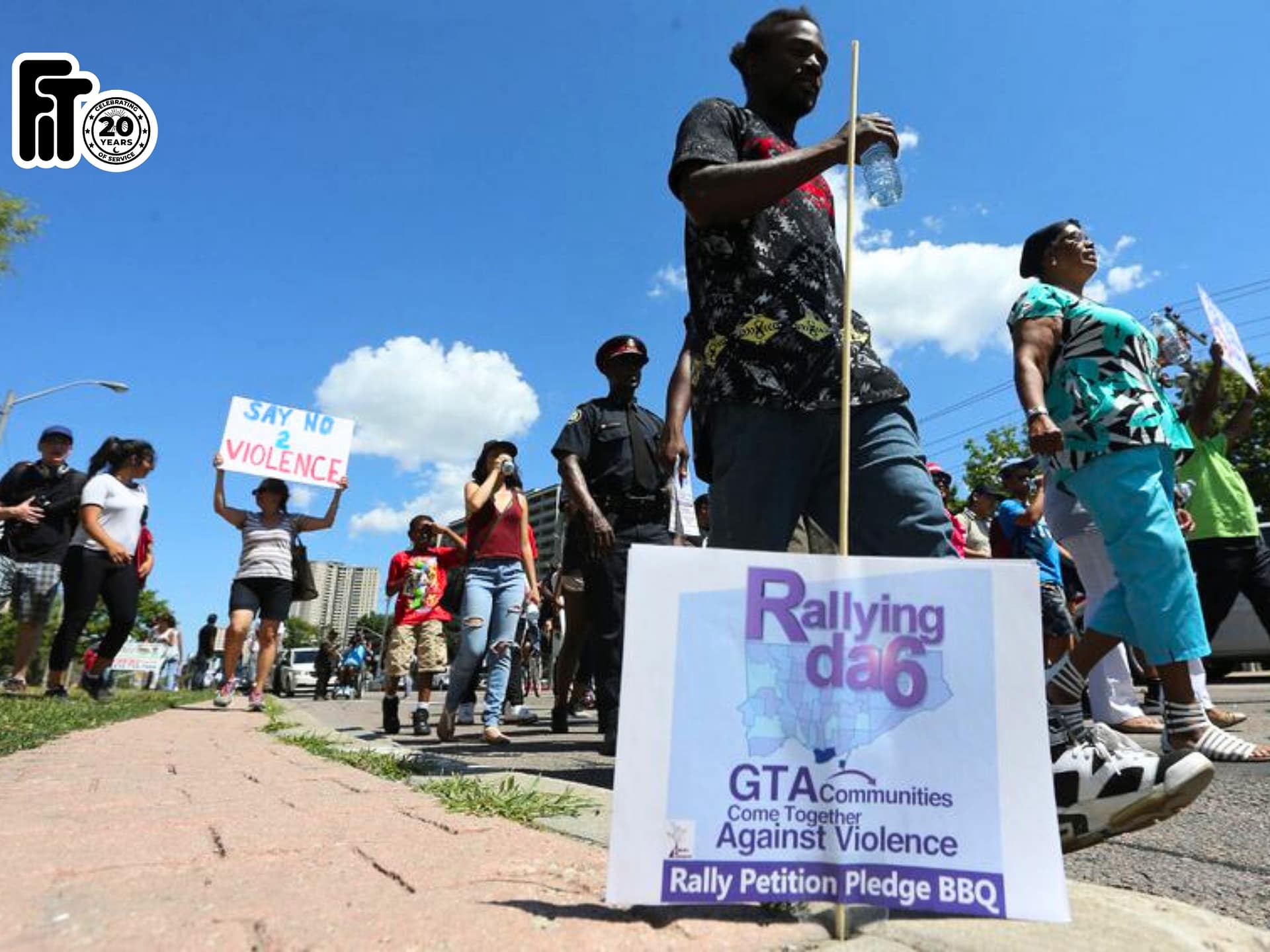
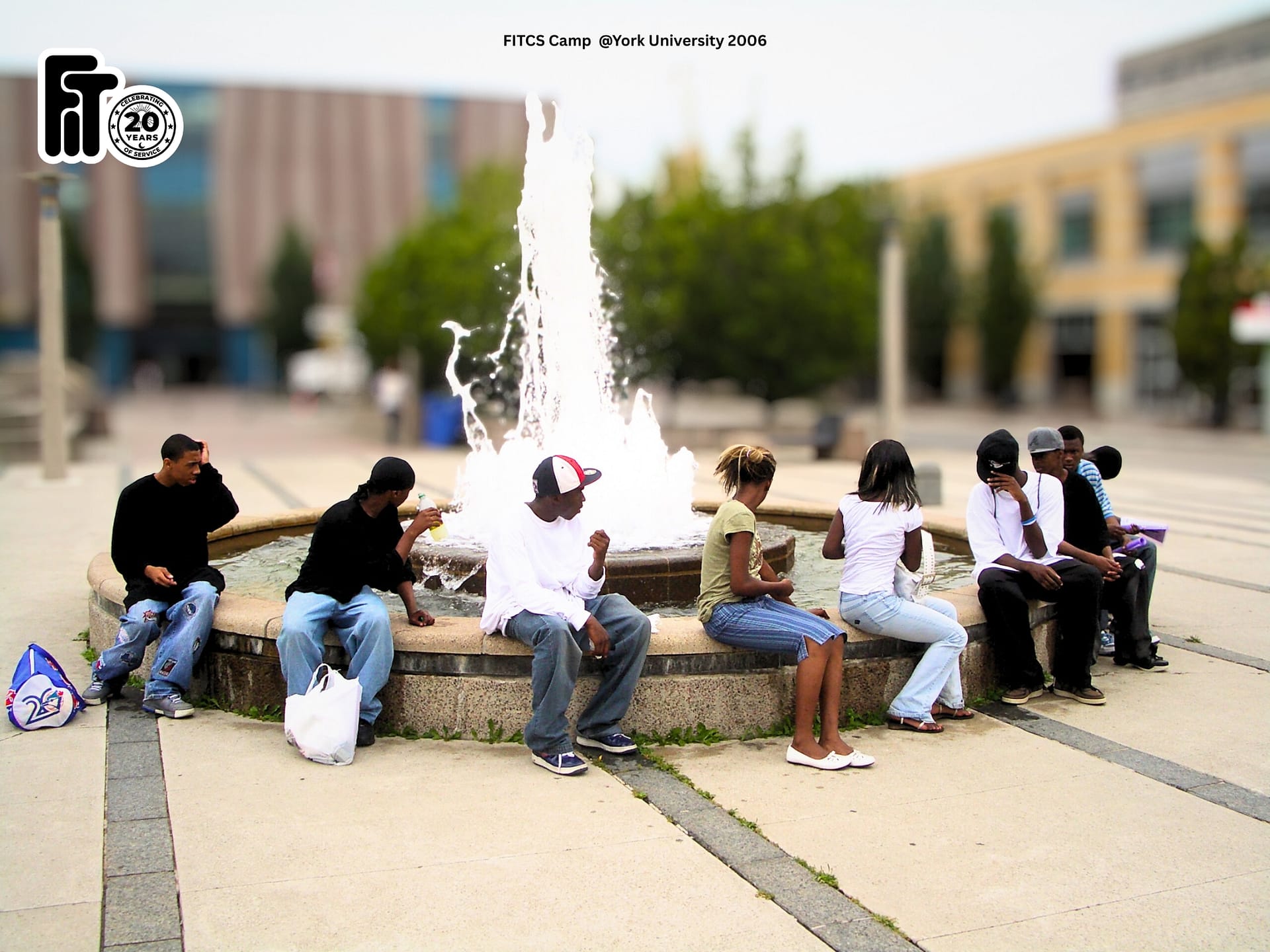
The Stages of Support: From First Contact to Community Healing
Programs may involve families, impacted community members, and relevant partners to support accountability, repair, and reintegration without creating further harm or unnecessary system involvement.
Early restorative support before formal charges are laid, including school-based referrals, community mediation, healing circles, and family engagement to prevent deeper system involvement.


Restorative justice processes that support diversion and extra-judicial measures under the Youth Criminal Justice Act, focusing on accountability, repair, and meaningful participation.
Support navigating court processes, conditions, and legal options, including referrals to legal aid, community lawyers, and culturally responsive advocacy supports.
Post-resolution support through therapy referrals, mental health services, cultural healing, and reintegration planning with families, schools, and community partners.
Get Support, Make a Referral, or Partner With Us
Youth & Families
Youth and families can reach out directly for support, referrals, and information about restorative justice, healing circles, and related services.
Schools, Community & Justice Partners
Schools, community organizations, police, probation, and courts can refer youth for restorative justice, diversion support, and coordinated community-based care.
Frequently Asked Questions
Below are common questions from youth, families, schools, and justice partners about accessing restorative justice and related supports through FITCS.