
Focused on Justice, Culture, and Systemic Change
We advance community-led solutions through research, cultural preservation, advocacy, and knowledge exchange—centering lived experience, Indigenous wisdom, and restorative justice.


Why We Focus Beyond Programs
Direct services matter but they do not create lasting change on their own.
At FIT Community Services, we focus beyond programs because the conditions that shape harm, justice involvement, and exclusion are systemic. Without addressing the policies, narratives, and power structures that affect communities, programs risk becoming temporary solutions to permanent problems.
Through research, cultural work, and advocacy, we support communities in shaping the systems that impact their lives on their own terms.
Projects
Our Focus Areas in Practice
FIT ICoE
FIT ICoE is our global knowledge and learning platform. It brings together community leaders, practitioners, researchers, and cultural knowledge keepers to examine justice, healing, and systemic change across borders.
Through dialogue, shared learning, and exchange, FIT ICoE centers lived experience and Indigenous wisdom while challenging dominant systems to listen, learn, and evolve.
AIR Exhibit
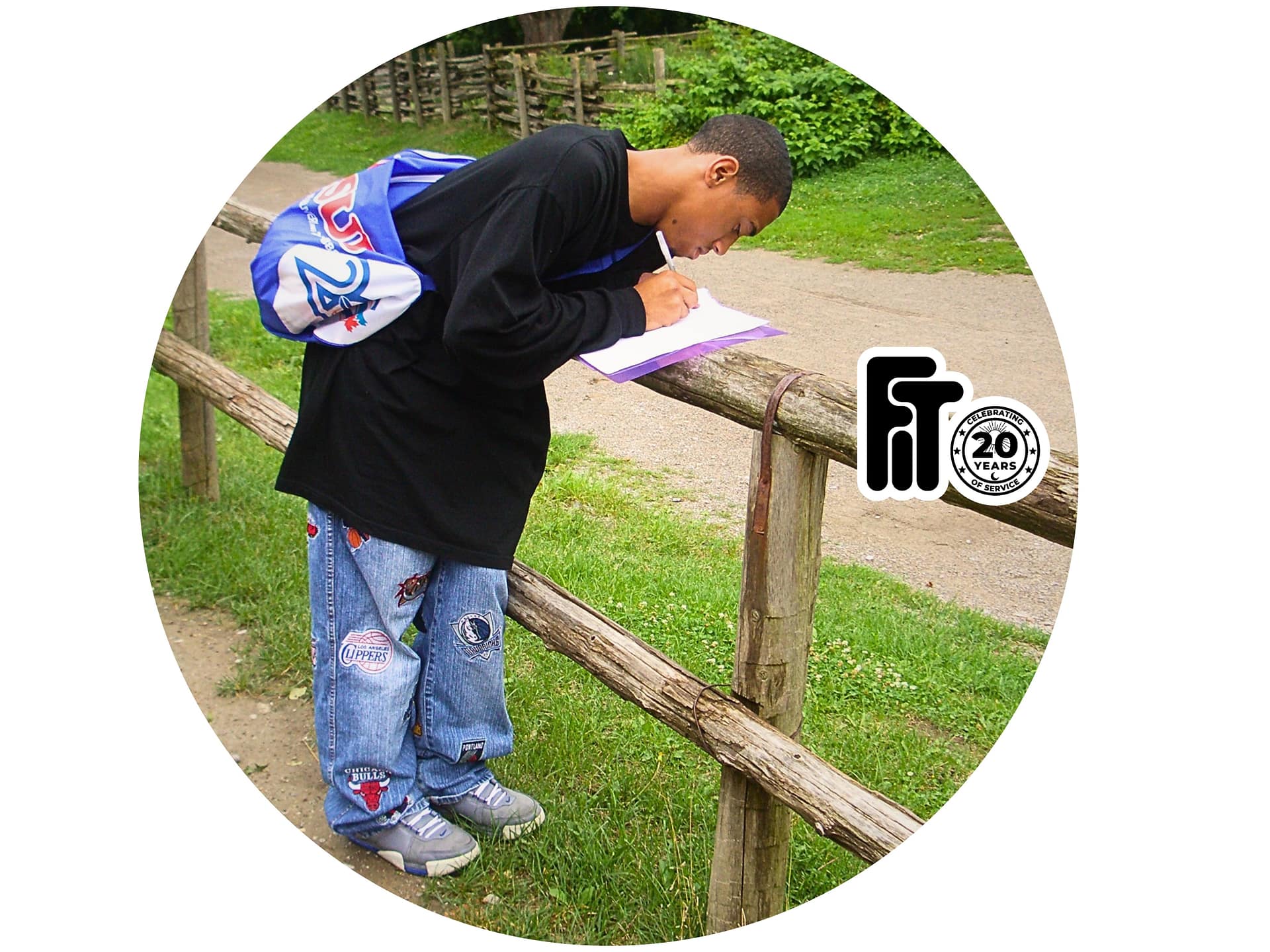
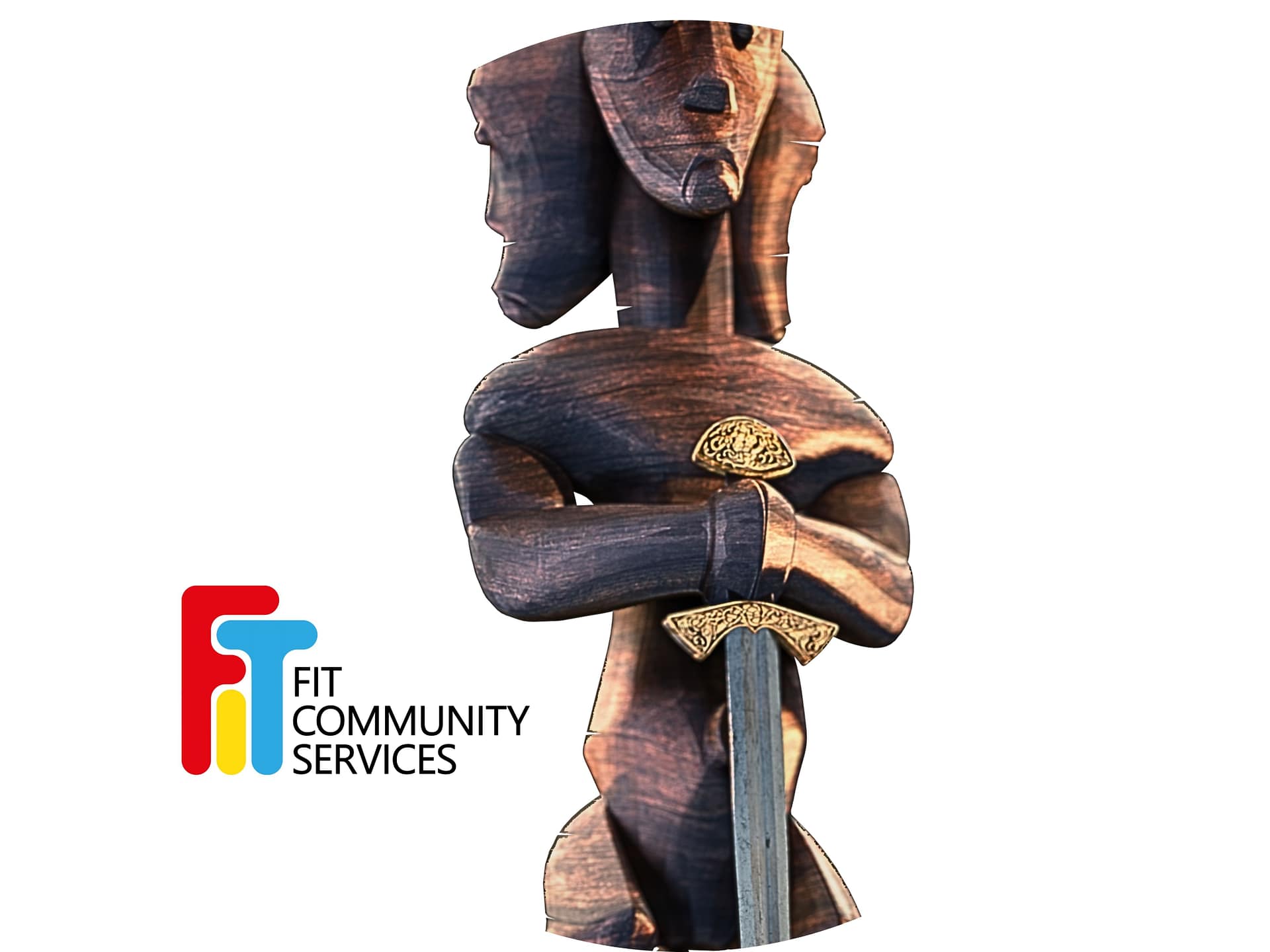
The AIR Exhibit is a cultural preservation and storytelling initiative that uses art, history, and lived narrative to confront erasure and reclaim voice.
Through exhibitions, archives, and community storytelling, AIR centers African, Indigenous, and diasporic histories—connecting justice, identity, and memory as acts of resistance and restoration.
FROM THE STUDY IN CONTEXT
Across decades of research and lived experience, communities have consistently identified systemic racism, traumatic legacies, and unequal access to justice as drivers of harm and overrepresentation, particularly for Indigenous, and racialized peoples.
20+ Years
Documented racial and systemic disparities in justice outcomes
80–90%
Victim and participant satisfaction in restorative justice processes (aggregated studies)
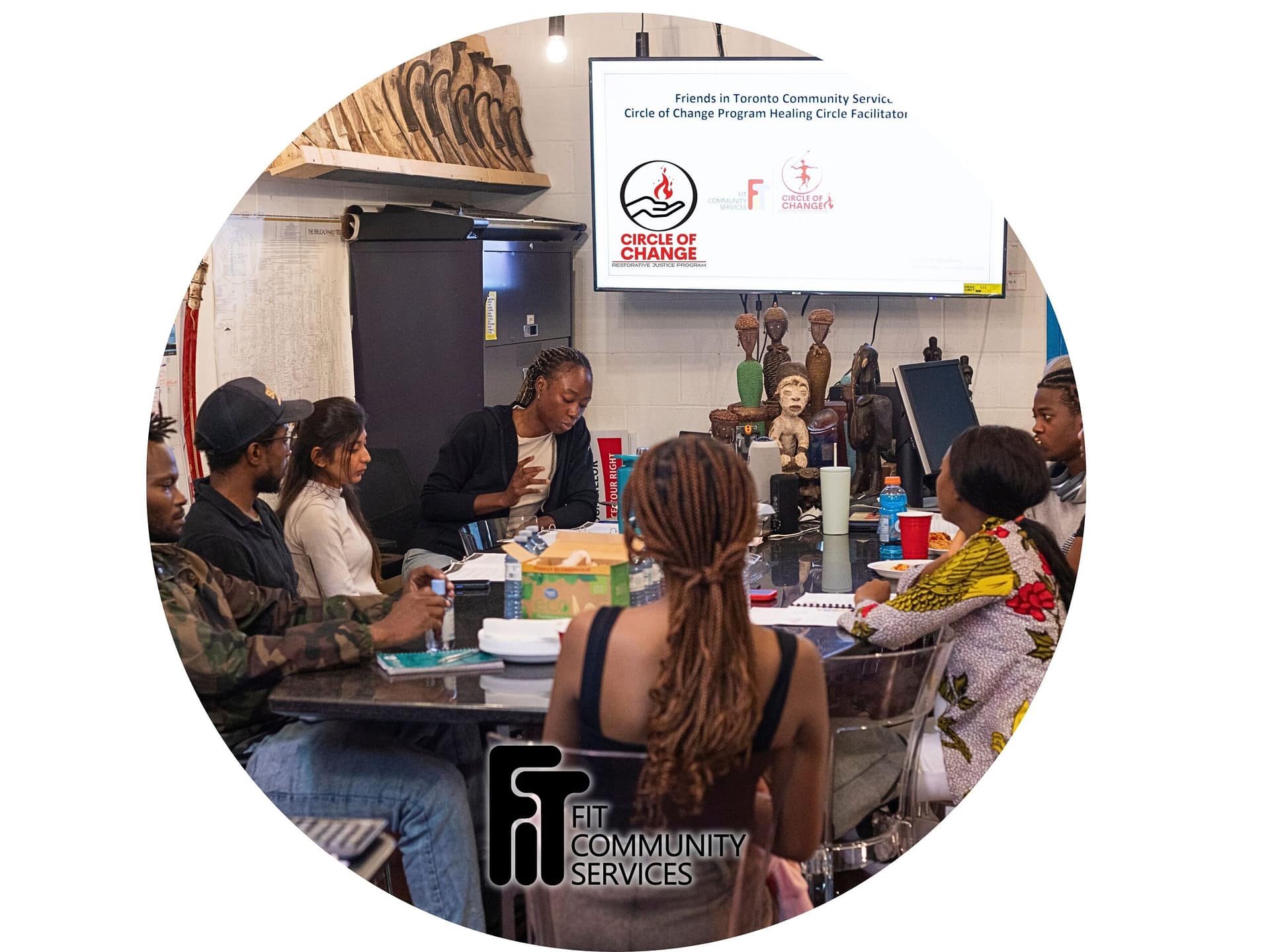
We advance justice, healing, and systemic change by centering lived experience, cultural knowledge, and community voice.
Through research, advocacy, storytelling, and knowledge exchange, we work alongside communities to challenge harmful systems, preserve culture, and build pathways toward equity and restoration.
Research & Knowledge Creation
We document lived experience, community knowledge, and systemic patterns to inform policy, practice, and public understanding grounded in evidence and community truth.
Cultural Preservation
Through exhibits, archives, and storytelling, we preserve and elevate Indigenous and diasporic knowledge systems often excluded from formal institutions.
Advocacy & Systems Change
We engage institutions, funders, and policymakers to challenge harmful practices and advance community-led alternatives rooted in equity and accountability.
Learning & Exchange
We create spaces for dialogue, education, and reflection across communities, practitioners, and decision-makers—bridging knowledge with action.
Grounded in Community Voice
“Real change happens when communities are trusted as experts in their own lives.”
— FITCS Community Partner
“Communities carry deep knowledge shaped by lived experience. When their voices guide decision-making, responses are more grounded, culturally relevant, and capable of creating lasting change..”
— FITCS Community Partner
Residents
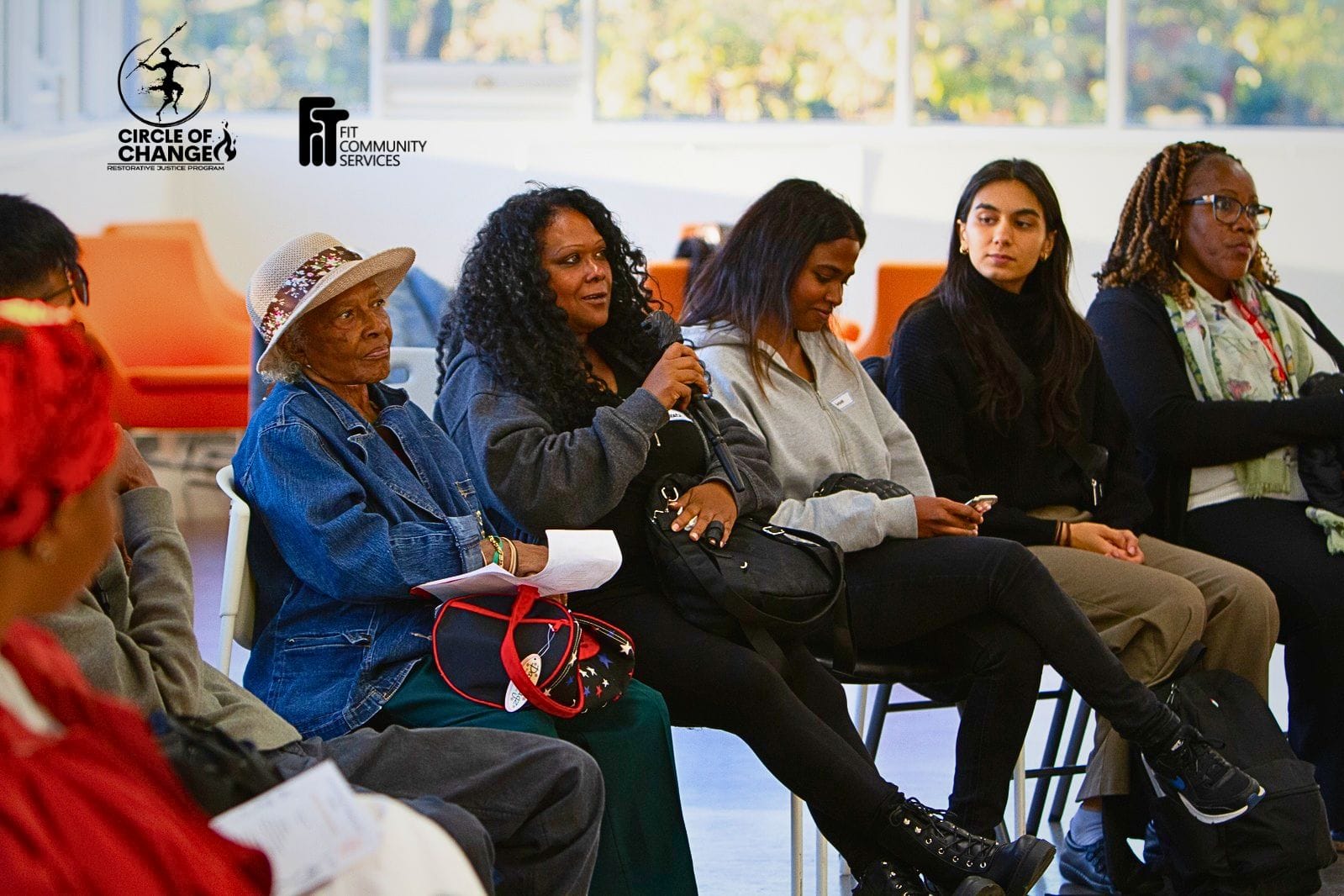
A Voice of Empathy for Canadian Justice
-
Gladue and the Promise of Systemic Reform in Canada’s Justice System
In 1999, the Supreme Court of Canada’s decision in R. v. Gladue recognized that the overrepresentation of Indigenous peoples in Canadian criminal courts was a serious problem rooted in systemic discrimination and colonial history. The Court mandated that judges consider the unique background circumstances of Indigenous offenders — including systemic and personal factors — in…
-
The intgrity of the Court lies in the morals of the lawyer
Add an overline text The Integrity of the Court Lies in the Morals of the Lawyer Courts are often described as neutral spaces governed by rules, precedent, and procedure. Yet the integrity of the justice system does not rest solely in statutes or institutional design. It lives, in practice, in the moral compass of those…
-
What We Learned Working Outside the Courtroom
Working outside the courtroom has taught us that justice is relational before it is procedural. Outcomes improve when people feel respected, understood, and involved in shaping their own paths forward. We have learned that punishment without healing does not deter harm—it postpones it. We have learned that families are not obstacles to justice; they are…

We document lived experience, community knowledge, and systemic patterns to inform policy, practice, and public understanding—grounded in evidence and community truth.


We engage institutions, funders, and policymakers to change harmful practices and advance community-led alternatives rooted in equity and mutual accountability.
We create spaces for dialogue, education, and reflection across communities, practitioners, and decision-makers—bridging knowledge with action.
Why These Stories Matter
These stories reflect the deeper context behind our programs and advocacy—highlighting the realities, resilience, and systemic challenges faced by the communities we serve. They inform our focus, strengthen our approach, and guide how we pursue justice beyond service delivery.

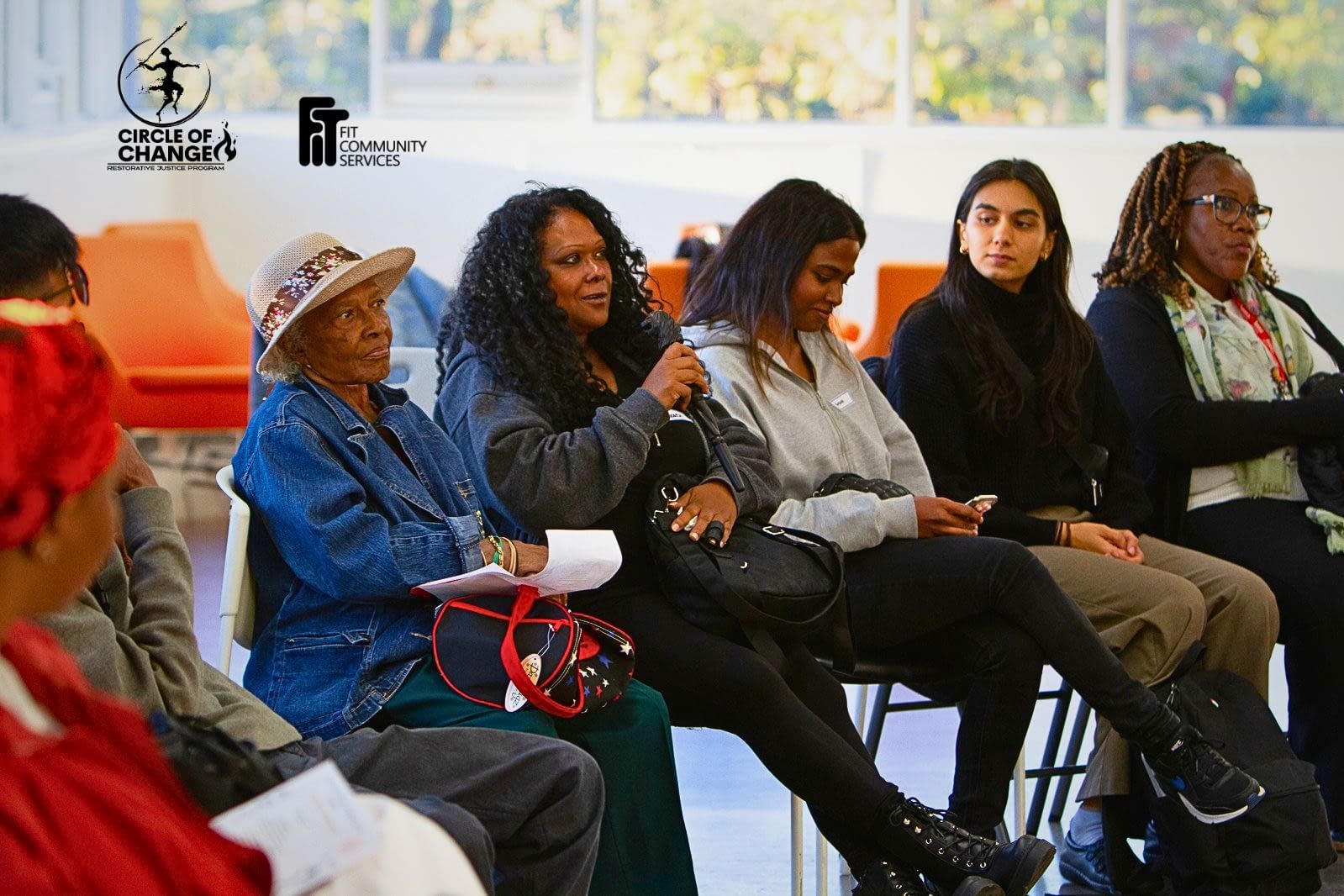
From Insight to Action
Our focus areas inform how we design programs, partner with communities, and advocate for systemic change. Explore how this work connects to our initiatives and how you can engage.