

When Community Healing Is Treated as Prevention
Community healing is often treated as an optional add-on, something offered after harm has occurred or when systems have failed. In reality, community-based healing is one of the most effective forms of prevention we have.
Violence, conflict, and criminalization rarely emerge from nowhere. They grow in environments where people feel unseen, unheard, and unsupported. When communities lack spaces to process grief, resolve conflict, and build accountability, harm manifests in ways that eventually draw institutional response.
Community healing interrupts this trajectory. When youth are given tools to understand conflict, regulate emotions, and reflect on impact, they develop internal accountability rather than external compliance. When families are supported instead of blamed, they become stabilizing forces rather than collateral damage.
Prevention is not only about stopping crime—it is about strengthening relationships. Healing circles, peer support, and culturally grounded dialogue create conditions where people are more likely to seek help early, communicate honestly, and resolve harm before it escalates.
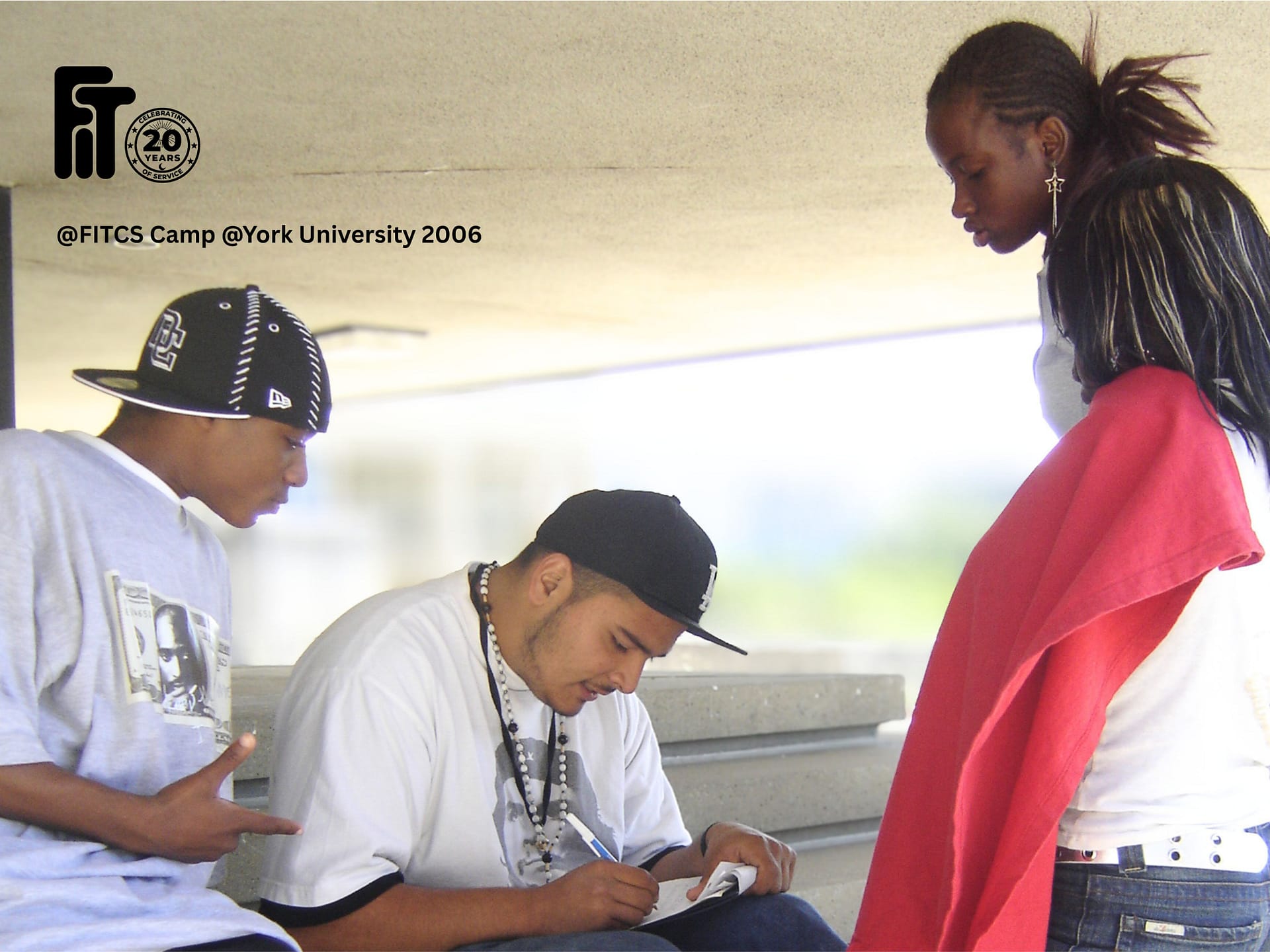
Our work demonstrates that when community-based approaches are taken seriously, justice involvement decreases. Youth who feel connected are less likely to disengage from school. Families who feel respected are more likely to cooperate with systems. Communities that feel invested in are more likely to hold their own members accountable.
Treating community healing as prevention requires a shift in mindset—from reaction to investment. It requires recognizing that safety is built through trust, not surveillance.