

What We Learned Working Outside the Courtroom
Working outside the courtroom has taught us that justice is relational before it is procedural. Outcomes improve when people feel respected, understood, and involved in shaping their own paths forward.
We have learned that punishment without healing does not deter harm—it postpones it. We have learned that families are not obstacles to justice; they are essential partners. We have learned that culture is not a barrier to accountability, but a pathway to it.
Perhaps most importantly, we have learned that systems change when they are willing to learn from the margins. The most effective insights often come from those most impacted by harm and exclusion.
Justice, when practiced fully, restores dignity. Community healing, when supported, prevents harm. Policy, when informed by lived experience, becomes a tool for equity rather than control.
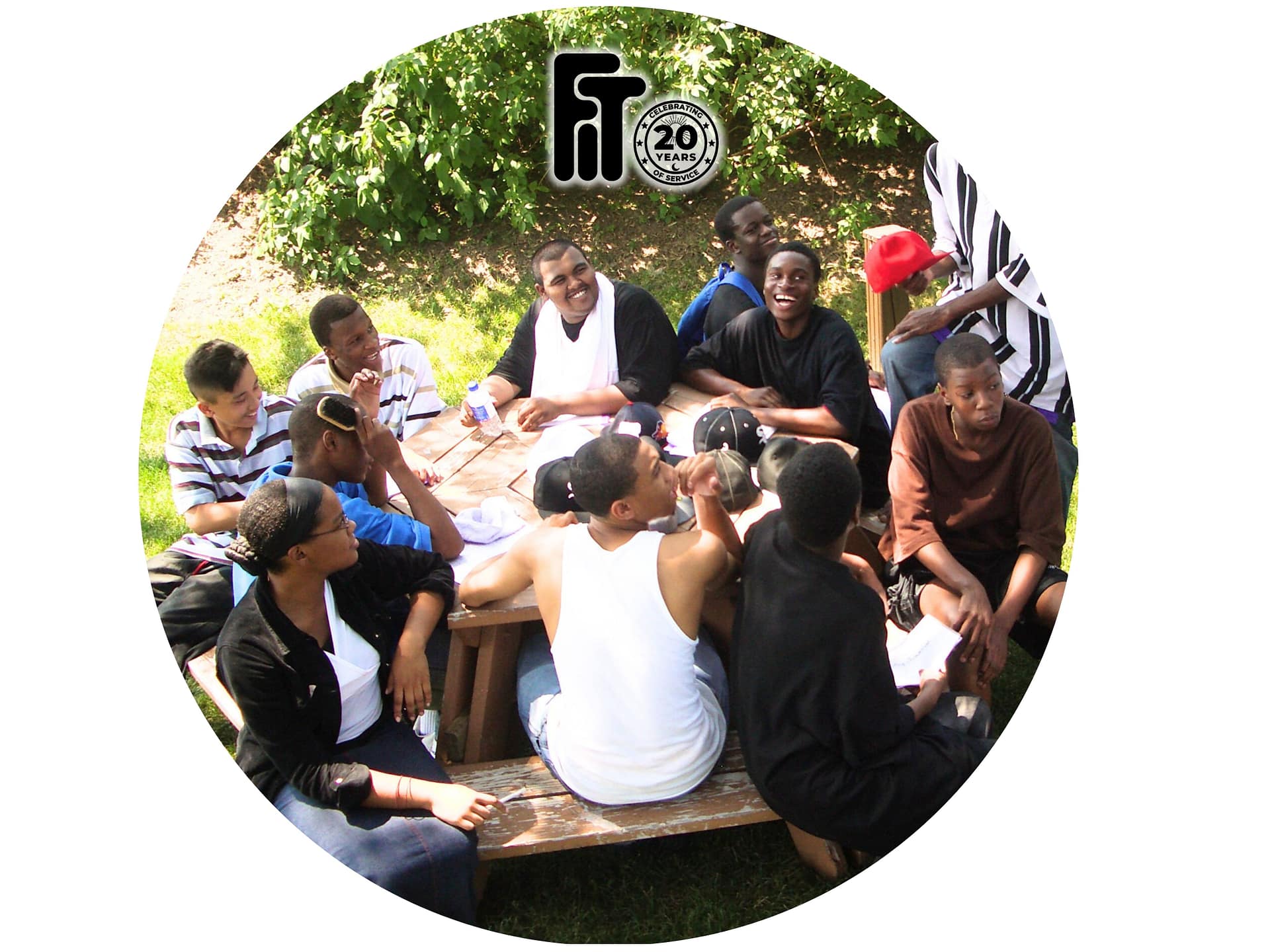
This is what access to justice looks like in practice—not as an abstract ideal, but as a daily commitment to humanity, accountability, and repair.